
Air Flow & Ventilation
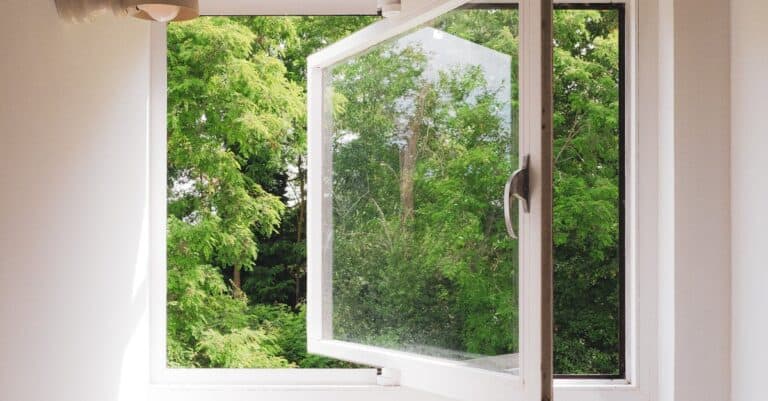
Why Your Home Feels Stale, Stuffy or Hard to Breathe In
Healthy Home Basics — Understanding What’s Really Happening Inside Your Home
And quietly, a deeper pattern may be emerging…
Air is not just present — it moves, carries and redistributes everything within the home.
When airflow is limited, conditions can build quietly.
When air is allowed to move and exchange, the home often feels lighter, clearer and more balanced.
Many people assume poor air quality comes only from mould or chemicals.
In reality, even a clean home can feel uncomfortable when air isn’t moving or refreshing properly.
“Is the air in my home moving and refreshing the way it should?”
In building biology, airflow and ventilation are foundational elements of a healthy home environment. They influence moisture levels, chemical exposure, sleep quality and overall comfort.
This page is part of the Healthy Home Basics series — where each area of the home is explored gently, one step at a time.
You may begin to notice:
why homes develop stale or trapped air
how air movement influences comfort and freshness
what signs may indicate imbalance
and what you can begin observing within your own space
Because often the first step is simply recognising how your home feels.
️Why airflow matters more than most people realise
Air inside a home is constantly changing.
Every day it carries:
moisture from breathing, cooking, showering and laundering
particles such as dust and allergens
chemical vapours from furnishings and products
heat generated by occupants and appliances
When airflow is balanced, these elements disperse naturally.
When airflow is restricted, they accumulate.
This can lead to:
lingering smells
condensation and dampness
heavy or stagnant rooms
difficulty sleeping
increased mould risk
increased chemical exposure
Often, it is not only what is in the air — but how the air is moving and exchanging within the space.
️Air movement — the missing ingredient in many homes
Modern homes are frequently designed to be airtight for energy efficiency. While this can reduce heating and cooling costs, it can also reduce natural air movement.
Signs of poor air movement include:
rooms that feel stuffy even when clean
air that feels “thick” or heavy
corners that feel colder or damper than the rest of the room
uneven temperatures between spaces
Furniture placement, sealed windows, blocked vents and poor room design can all contribute to reduced airflow.
Sometimes, small changes in how a space is arranged can influence how air moves through it.
Stale air — when fresh air isn’t entering or leaving
In building biology observations, stale air often connects with:
moisture accumulation
increased dust levels
chemical build-up
a general sense of heaviness within the space
These patterns tend to develop gradually, often before any visible signs appear.
Ventilation problems — the hidden causes
Ventilation patterns are not always obvious.
A home may appear well ventilated, yet still experience uneven airflow depending on how spaces are used and connected.
closed or unused windows
blocked air pathways between rooms
sealed renovations
exhaust fans that are rarely used or not operating at all
tightly sealed modern construction
poorly functioning mechanical systems
Bathrooms, laundries and kitchens are particularly vulnerable to inadequate ventilation, and because they generate high moisture levels daily, when moisture cannot escape, it increases the likelihood of mould growth and material deterioration.
Poor circulation zones — the quiet problem areas
Certain areas within a home naturally receive less airflow:
behind large wardrobes or beds
under stair storage
corners of external walls
storage rooms and cupboards
rooms with limited window access
- Subfloor spaces, garages, subfloor living spaces, entertainment rooms
These zones often become early indicators of imbalance:
musty smells
dust build-up
condensation on surfaces
cooler wall temperatures
Often, it can be helpful to notice not just whole rooms — but smaller areas within them.
️How airflow connects to other healthy home factors
Airflow rarely exists in isolation. It directly influences multiple environmental elements.️
These connections are rarely immediate — they tend to reveal themselves gradually through observation.
Indoor climate — temperature & balance
Air movement distributes temperature more evenly and helps prevent cold surfaces where condensation forms.
Moisture & mould patterns
Poor airflow traps humidity and increases condensation risk.
Over time, this creates ideal conditions for mould growth.
Dust & allergen accumulation
Air movement influences how dust settles, accumulates, and becomes airborne.
Stagnant zones allow particles to build up in soft furnishings, carpets and bedding and in turn increasing exposure to dust mites and allergens.
Balanced airflow helps reduce heavy dust pockets and supports healthier breathing spaces.
Sensitive occupants & inflammatory load
For sensitive occupants, poor ventilation can intensify symptoms.
Stagnant air allows allergens, microbial fragments, and environmental irritants to concentrate indoors.
Improving airflow often reduces the overall environmental load, supporting those prone to respiratory reactions, chemical sensitivity, or chronic inflammatory responses.
Lingering odours & stale air
Odours frequently signal trapped air and hidden moisture.
When airflow is limited, smells from damp materials, microbial growth, or accumulated contaminants linger instead of dispersing.
Consistent air exchange helps prevent stale, musty environments and supports a fresher indoor atmosphere.
VOC dilution
Indoor chemicals from furnishings, flooring and cleaning products accumulate faster in stagnant air.
Fresh airflow helps dilute and disperse these compounds.
Rest & recovery
Bedrooms with poor ventilation may feel warmer, heavier or less fresh.
Many people report improved sleep simply by improving airflow and air exchange.
Often, when airflow improves, the next pattern to observe is moisture — because trapped humidity is rarely far behind stagnant air.
What you can begin observing in your own home
Begin by noticing:
which rooms feel heavy or stale
areas where dust accumulates quickly
spaces that feel colder or damper
rooms that smell different from the rest of the house
where windows are rarely opened
furniture placed tightly against external walls
You don’t need special tools at this stage … just awareness.
Observation is often the first step toward understanding how your home behaves.
There is no need to change anything yet — simply noticing is enough.
A building biology perspective
From a building biology perspective, airflow and ventilation are essential for maintaining a healthy indoor environment. Air movement supports the exchange of indoor and outdoor air, influencing freshness, comfort and overall environmental balance.
When air is able to move and refresh consistently, the home often feels lighter and more stable. When airflow is restricted, conditions may gradually build within the space.
Building biology evaluates airflow in relation to moisture, temperature, particles and occupant use. These elements are considered together rather than as separate concerns.
The aim is not to force constant airflow — but to support gentle, consistent air exchange that allows the home to breathe and reset naturally.
Final thoughts
Airflow and ventilation are quiet but powerful influences on how a home feels day to day.
When air moves well, spaces often feel lighter, fresher and more comfortable — even without major changes.
If you’ve ever noticed:
a room that feels stuffy
smells that linger
spaces that feel heavier or harder to breathe in
these may not be isolated experiences.
They may be part of how air is moving — or not moving — through your home.
And often, understanding how your home is behaving is the first step toward change.
Continue exploring
👉 Moisture & Mould →
See how airflow, humidity and cooler surfaces can begin creating moisture patterns around the home.
👉 Chemicals & VOCs →
Explore how ventilation influences the way chemicals and vapours accumulate and disperse indoors.