
Chemicals & VOCs
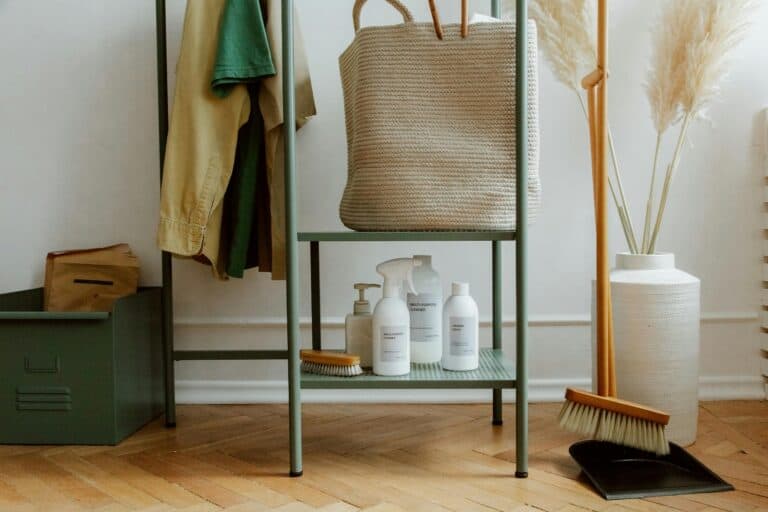
How subtle changes in air quality reflect chemical load within the home
Healthy Home Basics - Understanding Synthetic Exposure Inside the Home
Many homes today contain a wide range of materials and products that release low levels of chemicals over time.
You might notice:
lingering scents from cleaning products or furnishings
headaches or irritation indoors
sensitivity to fragrances
a “new” smell that takes time to fade
air that feels different after introducing new items
You may begin to wonder…
Why does the air feel different after bringing something new into the home?
Why do certain smells linger longer than expected?
Why do I feel more sensitive indoors than outside?
Why does ventilation seem to change how the space feels?
And quietly, a deeper pattern may be emerging…
Chemical exposure is often not from one source — but from the combination of many small contributions over time.
When these build within a space, the environment may feel heavier.
When reduced and supported by airflow, the home often feels clearer and more balanced.
I notice a smell or something has changed. Where do I begin?
Sometimes the clue is obvious — fresh paint, a new piece of furniture, a cleaning product or a fragrance.
Other times there is no single obvious source.
Begin with what looks most like what you are noticing.
CHEMICALS & VOCs JOURNEY · 01
CHEMICALS & VOCs JOURNEY · 02
CHEMICALS & VOCs JOURNEY · 03
Something new or recently used
Something in this room
Something across the home
A new product, fragrance, furnishing, renovation material or cleaning activity has caught your attention.
Begin with what changed.
What came into the space?
There is no obvious new product, or the observation seems connected with one particular room.
Now widen your view to the materials, furnishings, products and activities within that space.
Look at what surrounds you.
Perhaps you are noticing similar things in several rooms, or you want to understand the chemical load of the home more broadly.
Step back and look at products, materials, storage, airflow and activities together.
Begin looking at the home as a whole.
👉 Explore Something New
👉Explore The Room
👉 Explore The Whole Home
Not quite sure which one fits?
That’s okay. Begin with what you can observe today. As you learn more, you can widen your view.
“What is actually in the air I am breathing?”
Chemicals and VOCs are part of everyday modern homes — but how they behave indoors is what influences how a space feels.
This page offers a gentle way to explore:
what VOCs are
where chemical exposures commonly come from
how indoor chemistry builds over time
why some people react more strongly
gentle ways to begin reducing exposure without overwhelm
This is not about fear — it is about awareness and balance.
Indoor chemical load is cumulative — meaning multiple small sources may combine to influence air quality over time.
This page is part of the Healthy Home Basics series — where each area of the home is explored gently, one step at a time.
What are vocs?
VOCs (volatile organic compounds) are substances that can move into the air from materials and products over time— especially synthetic materials and chemical products.
They are called “volatile” because they easily evaporate into the air at room temperature.
Some VOCs have noticeable smells.
Others are completely invisible and odourless.
Inside homes, VOCs may come from:
paints and finishes
cleaning products
synthetic fragrances
new furniture
carpets and underlays
vinyl flooring
adhesives and sealants
cabinetry and engineered timber
plastics
air fresheners and candles
personal care products
pesticides
Modern homes are often more airtight than older buildings — meaning chemicals can accumulate indoors more easily if ventilation is limited.
Why indoor chemical exposure matters
In most homes, exposure is not from a single source — but from many small contributions over time, which may influence how a home feels and how occupants respond.
Indoor air is often more concentrated than outdoor air because:
windows remain closed for comfort
buildings are sealed for energy efficiency
products are used daily
multiple materials release chemicals simultaneously
ventilation may be insufficient to dilute contaminants
Over time, this can lead to:
build-up of airborne compounds
persistent odours
irritation for sensitive occupants
difficulty sleeping in heavily fragranced environments
headaches or fatigue indoors
Healthy homes focus on reducing cumulative exposure — rather than eliminating every chemical entirely.
Common signs of chemical exposure in homes
Chemical load is closely linked with airflow, temperature, materials and daily living patterns within the home.
People often describe:
a strong “new house” smell
synthetic fragrance lingering after cleaning
headaches from air fresheners
eye or throat irritation
dizziness in newly renovated spaces
discomfort in new cars or new furniture
fatigue indoors that improves outside
It’s important to note that not everyone reacts the same way.
Some people feel fine — while others may be more sensitive.
Listening to occupant experience is a key part of building biology.
Cleaning products — a major indoor chemical source
Fragrance is often mistaken for cleanliness — yet it is simply an added layer within the indoor air. Many homes use multiple cleaning products daily.
These may include:
disinfectants
degreasers
fragranced sprays
bleach-based cleaners
antibacterial wipes
floor cleaners
laundry detergents
fabric softeners
While cleaning is essential for hygiene, heavily fragranced or highly chemical formulations can:
leave residues on surfaces
release airborne compounds
accumulate in fabrics
contribute to indoor air load
Fragrance does not indicate cleanliness — it simply adds scent.
Reducing chemical intensity while maintaining effective cleaning is often possible through small, gradual changes.
️Building materials & renovations
New materials often release more noticeable compounds during early use — which is why newly built or renovated spaces can feel different at first.
Common sources include:
paints and varnishes
engineered wood products
laminates
adhesives
waterproofing products
insulation materials
new carpets and underlays
vinyl and synthetic flooring
Many new materials — including those marketed as modern or low-maintenance — may release compounds during early installation phases.
This process is called off-gassing — where chemicals slowly release or move into the indoor air over time.
Good ventilation during and after renovation is extremely important.
Furniture & furnishings
Soft furnishings and new furniture can be hidden contributors.
Examples include:
foam mattresses
upholstered lounges
synthetic rugs
laminate shelving
particleboard wardrobes
pressed wood cabinetry
These materials may contain:
formaldehyde
flame retardants
synthetic binders
plasticisers
Emission rates typically decrease over time, and adequate airflow supports safer dilution during this period.
️Fragrances & scented products
Many homes use scent to create a feeling of freshness.
Common sources include:
candles
wax melts
incense
plug-in diffusers
essential oil blends (synthetic or mixed)
air freshener sprays
fragranced laundry products
While scents can feel comforting, multiple fragranced products used together can increase the overall load within indoor air and potentially:
trigger headaches
worsen respiratory symptoms
mask underlying moisture or mould smells
Building biology encourages identifying the source of odours — rather than masking them.
Why some people react more strongly
Sensitivity is not always about the level of exposure — but how the body responds to it.
Some factors include:
genetics
immune system health
cumulative exposure history
previous mould exposure
nervous system sensitivity
age (children and elderly often more sensitive)
recovery from illness
chemical sensitivity conditions
Some people develop reactions after prolonged exposure to water-damaged buildings or heavy chemical environments.
Healthy homes aim to support the most sensitive occupants first.
How chemicals & vocs connect to other healthy home factors
Chemical exposure does not act in isolation — it is influenced by airflow, temperature, moisture and how the home is used each day.
️Indoor climate & chemical behaviour
Temperature and humidity influence how chemicals behave indoors.
Higher temperatures may:
increase off-gassing rates
intensify odours
Higher humidity may:
increase absorption of chemicals into materials
amplify microbial growth
worsen chemical reactions with dust
Balanced indoor climate helps stabilise indoor air quality and reduce chemical intensity.
Ventilation — the most powerful chemical dilution tool
One of the most effective ways to reduce indoor chemical concentration is simply improving airflow.
Ventilation helps:
dilute airborne compounds
remove lingering vapours
stabilise indoor air
support nervous system comfort
reduce sensory overload
You may begin to notice how:
airing rooms regularly
ventilating after cleaning
allowing new materials to off-gas before heavy use
ensuring bathroom and kitchen extraction is functional
improving airflow in storage areas
Moisture & mould patterns
Damp materials can break down more rapidly, releasing additional chemical compounds.
Moisture damage may also introduce microbial VOCs, adding to overall indoor burden.
Dust, dust mites & allergens
Dust acts as a carrier for chemical residues from furnishings, cleaning agents and outdoor pollutants.
When disturbed, these particles re-enter the breathing zone and contribute to cumulative exposure.
Allergies, sensitivities & CIRS
Chemically sensitive individuals may react to lower levels of exposure than others.
Reducing overall environmental load often supports greater comfort and tolerance indoors.
Lingering odours & stale air
Smells are often the first signal — but not all chemicals have an odour.
Strong or persistent smells can indicate active off-gassing or trapped indoor pollutants.
Improving ventilation and material health often reduces both odour and chemical intensity.
Sleep & recovery
Even subtle changes in air quality can influence how restful a space feels over time.
Bedrooms with lower pollutant load and steady air exchange tend to feel lighter and more restorative.
What you can begin observing in your own home
Without overwhelm, you may begin to notice:
how the air feels after introducing new products or materials
whether certain scents linger longer than expected
how different rooms feel at different times of day
whether ventilation changes how the space feels
how your body responds in different areas of the home
whether fragrances feel supportive or overwhelming
how new items, furnishings or cleaning products influence the space
how the home feels after fresh air has been introduced
These small observations often begin to reveal patterns between indoor air and how the space is experienced.
For now, simply noticing is enough.
⚠️ Important Note
This page provides environmental education only.
If you experience significant health symptoms or suspect chemical sensitivity, it is important to work alongside qualified healthcare professionals.
Healthy home work focuses on reducing environmental load — not medical diagnosis.
A building biology perspective
From a building biology perspective, chemical exposure is viewed as a cumulative aspect of modern indoor environments. Materials, furnishings and everyday products may contribute small amounts of emissions over time.
These compounds interact with temperature, ventilation and surfaces, influencing how they behave and how they are experienced within the home.
Building biology evaluates these influences collectively rather than focusing on one product or source.
The aim is not to eliminate all synthetic materials — but to reduce unnecessary load and support conditions that allow the indoor environment to feel clearer and more balanced.
Final thoughts
If your home smells “new,” “freshly cleaned,” perfumed or slightly synthetic, it may be an opportunity to pause and consider what that scent represents.
An odour may simply be a passing scent. Persistent chemical smells, sensitivity in certain rooms, or changes after renovations may offer useful clues about how materials and airflow are influencing the indoor environment.
Small changes over time can gradually reduce unnecessary chemical load.
Often, small observations begin to reveal patterns.
A healthy home is not about perfection.
It is about gradually reducing unnecessary load so that the space feels clearer, lighter and easier to live in over time.
Continue exploring
👉 Air Flow & Ventilation →
Explore how fresh-air exchange can influence the way chemicals and vapours build up and disperse indoors.
👉 Strange Smells & Odours →
Explore what lingering, unfamiliar or changing scents may be revealing about materials, moisture and indoor air.