


Autumn Has Arrived
As the warmer days begin to ease, our homes start responding to another change in season.
Autumn is a useful time to notice what summer may have left behind, moisture, dust, changes around the outside of the home, while beginning to prepare for the cooler months ahead.
A few simple observations now can help you understand how your home is changing and where a little seasonal care may be useful before winter arrives.
Around the home this autumn
We’ll explore a few areas of the home throughout autumn, one small step at a time.
| Autumn topic | What we’ll explore |
|---|---|
| After Summer | Noticing what the warmer months may have left behind |
| Roof, Gutters & Drainage | Preparing the outside of the home for changing weather |
| What Comes Inside | Pets, shoes, belongings, dust and the changing household |
| Indoor Air Changes | Fragrances, deodorisers and noticing what we add to our indoor air |
| Preparing for Cooler Nights | Bedding, heating and gently preparing the bedroom for winter |
1. Step outside and look back at your home
Walk slowly around the outside of your home and simply notice what has changed over summer.
Look up at the roofline, along the walls and around windows and doors. Notice leaves and debris that have gathered, plants or branches that have grown closer to the building, changes to paint or other surfaces, and areas where water may have travelled during summer rain.
Then look down. Notice the ground around the home, garden beds, paths, drains and the way the land falls away — or towards — the building.
Look from a little further away too
Sometimes we see more when we take a few steps back. Look at the whole building rather than one small area. Where does the roof water go? Are trees or vegetation touching the house? Is anything different from the last time you really looked?
2. Take a look at what summer left behind
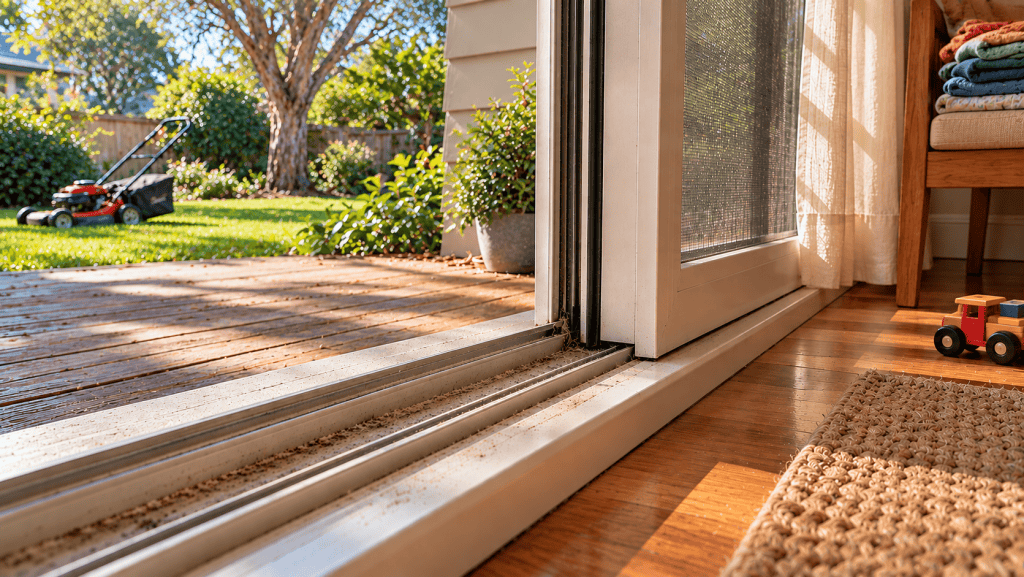
Summer can leave small traces around the home that are easy to overlook as the season begins to change.
Take a gentle walk through the home and notice what has gathered over the warmer months. Look for dust and debris around open windows and doors, marks from insects, changes around flyscreens and window tracks, and areas where summer rain or humidity may have left moisture behind.
Look outside too. Notice anything summer may have left behind that could use a little attention before the cooler months arrive.
Start with what you notice
There is no need to tackle everything at once. Autumn is a useful moment to observe what summer has left behind, attend to the small things that need care, and begin preparing the home for the season ahead.
Autumn observation: Notice what summer has left behind. Where have dust, debris or moisture gathered around your home?
3. Roof, Gutters & Drainage
Look at what is happening around your roof and gutters
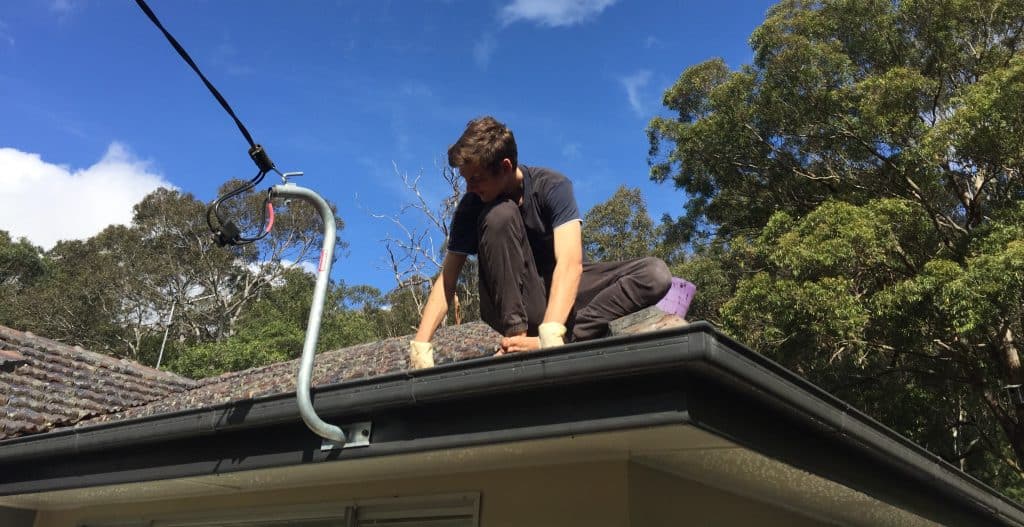
Autumn is a useful time to look upwards. Leaves, twigs and other debris can begin collecting on roofs and in gutters, while downpipes and drains need a clear pathway to carry rainwater away from the home.
Take a look at the roofline, gutters and downpipes from a safe position. Notice overflowing areas, staining, vegetation, damaged or displaced materials, or places where water appears to be travelling somewhere it should not.
Then follow the water down. Where do the downpipes discharge? Are drains and grates clear? Does the ground around the home allow water to move away from the building?
Take a look from the access point too
You may also be able to make a simple observation of the spaces above and below the home.
If your home has an accessible roof cavity, safely looking in from the access opening may reveal clues such as staining, damp timbers, displaced insulation, daylight where you would not expect it, evidence of water entry or other changes that deserve a closer look.
The same applies to an accessible subfloor. From a safe entry point, look for obvious dampness, water marks, wet ground, unusual odours, debris or anything else that appears different from what you would expect.
This is an observation, not an invitation to climb into these spaces. Roof cavities and subfloors can contain electrical wiring, unstable surfaces, pests, contaminants and other hazards.
What you notice may simply tell you that somebody with the right skills needs to take the investigation further, perhaps a roofer, plumber, drainage specialist or another appropriate professional.
Think about the next rainfall
You do not need to wait for heavy rain to discover how water moves around your home. Autumn gives you an opportunity to look at these pathways beforehand.
After rain, take another walk around the outside. What you see while the water is actually moving can be very different from what you notice on a dry day.
Autumn observation: Next time it rains, watch where the water goes. Notice the roof, gutters, downpipes, drains and ground around your home, where does the water travel?

4. What comes inside
As the days begin to cool, we often start spending a little more time indoors, and so do some of the things that share our lives.
Pets may spend more time inside or snuggle up on sofas and beds. Shoes can carry soil, dust and outdoor particles through the home. Jackets, bags and other belongings begin finding their way indoors more often too.
None of these things are necessarily a problem. Autumn is simply a lovely time to notice what comes inside with us and where it tends to settle.
A little awareness goes a long way
Notice the places where your household naturally gathers. Sofas, rugs, pet beds, entryways and bedrooms may begin collecting more hair, dander, dust and outdoor particles as life moves indoors.
Regular vacuuming, shaking out or washing suitable textiles, caring for pet bedding and having a place for shoes and outdoor belongings can help keep some of that everyday build-up from travelling further through the home.
And enjoy the snuggles. The idea is not to keep life outside, it is simply to become more aware of what comes indoors with it.
Autumn observation: Where does everyone naturally land when they come inside, the people, the pets, shoes, bags and all? Take a look at what gathers there.

5. Indoor air changes
Notice what you bring into the air
As autumn settles in, windows and doors may begin staying closed for longer and the air inside the home can start to feel different.
This is also a time when we may begin reaching for things to make the home feel cosy or smell fresh — scented candles, diffusers, plug-ins, room sprays, deodorisers and fragranced cleaning products.
Take a moment to notice what you are introducing into the indoor air. A fragrance may change what we smell, but it does not necessarily tell us what is happening with the air itself.
Fresh air and fragrance are different things
When conditions outside are suitable, continue looking for opportunities to bring fresh outdoor air through the home, even as the days become cooler.
If a room smells stale, damp, musty or unusual, pause before covering the smell with fragrance. An odour can sometimes be a useful clue, where something in the home may be asking us to look a little closer.
Autumn observation: When you walk into your home after being outside, what do you notice first? Let your nose tell you about the home before reaching for something to change the smell.
Bring the warmer bedding out too
Autumn is also a useful time to bring out the woollen jumpers and cardigans, blankets, doonas and other bedding that may have been stored away through summer.
Before simply putting everything back into use, take a little time to open it out and notice its condition. Does anything smell stale or musty? Does it feel completely dry? Are there marks, staining or signs that something has changed while it was stored?
When the weather is suitable, give stored bedding and woollens an opportunity to air and dry thoroughly. A mild, dry autumn day can be a lovely opportunity to do this before the colder weather settles in.
Check care labels before washing or placing delicate wool, silk or other natural fibres in direct sunlight. The aim is simply to bring things back into use clean, dry and well aired.
6. Before you switch the heating on
Give your heating a little attention first
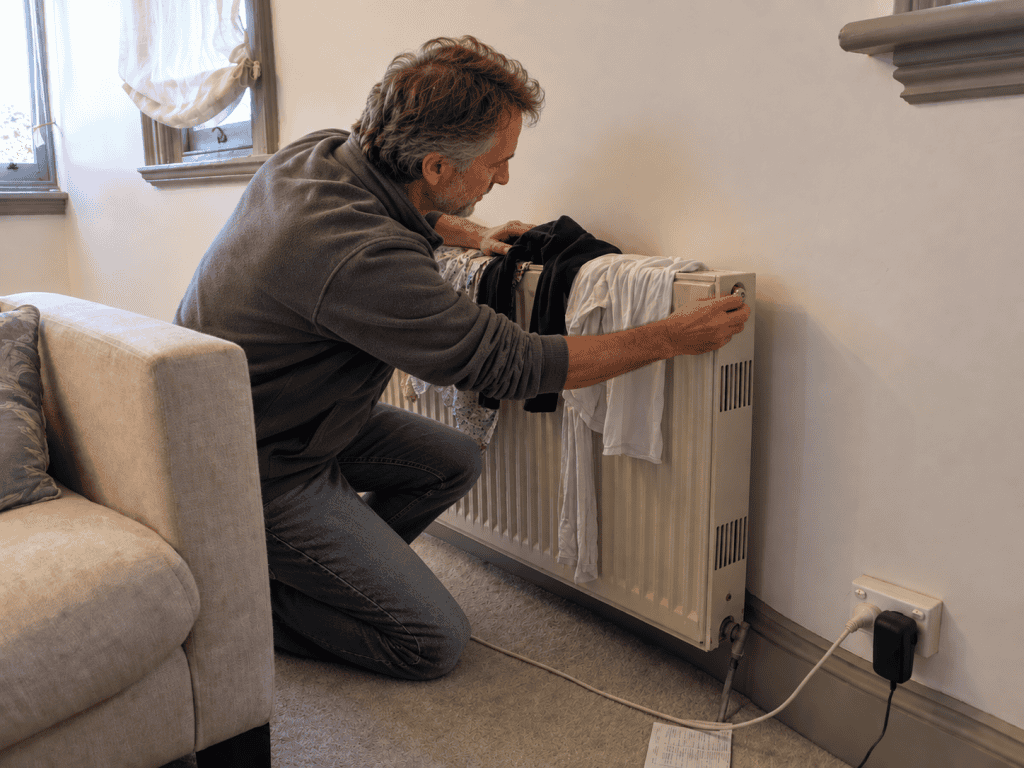
The first cool evening can arrive almost unnoticed, seems to catch us off-guard, right, and suddenly we reach for the heater that may not have been used for months.
Before switching it on for the season, take a moment to look at it. Dust may have settled on vents, grilles and surrounding surfaces while the heater has been unused.
Check and clean accessible areas according to the manufacturer’s instructions, and arrange servicing where your heating system requires it. If you have gas heating, this is also a good time to have the heater and its operation checked by a qualified gas professional before regular winter use. Notice too what has been placed near heaters or vents over the warmer months.
Never ignore an unusual smell, soot, discolouration or a heater that does not appear to be operating as it normally does.
If you use a fireplace
If a fireplace or wood-burning heater is part of your winter warmth, autumn is a useful time to prepare it too. Check that the fireplace, flue or chimney is ready for use and arrange cleaning or professional attention where needed, particularly if it has not been used for some time.
Take a look around the hearth and surrounding area, clear away anything that has gathered or been stored nearby, and check that your smoke alarms are working.
Prepare your firewood too. Well-seasoned, dry timber will burn more effectively and with less smoke than damp or freshly cut wood. Store it somewhere protected from rain and ground moisture, with enough airflow to help keep it dry.
Having the wood ready, the fireplace checked and the surrounding space prepared means you are not doing it all on that first unexpectedly cold evening.
Notice what changes when the heating begins
Once heating becomes part of daily life again, the way we use the home begins to change. Doors and windows may remain closed for longer, rooms become warmer and we naturally begin spending more time indoors.
Autumn gives us a gentle opportunity to notice that transition before winter really settles in.
Autumn observation: Welcome autumn with a healthier home. Explore seasonal steps for roof and gutters, indoor air, moisture, heating and preparing your home for cooler days.
One small step at a time
You do not need to prepare the whole home for winter in one weekend. Choose one area, notice what is changing, make one useful change and then move on to the next.
A healthier home grows from awareness of the little things we see along the way.